Without Considering The Past, The Future Will Repeat Itself
The mission of the Center for Medicine after the Holocaust (CMATH) is to challenge healthcare providers of today and tomorrow to personally confront the medical ethics of the Holocaust and to apply that knowledge to contemporary practice and research.
Why It Matters
Knowledge for Today
Although German violations of the most basic medical ethics are well documented, they are virtually unknown by today’s students in the health sciences. Also, the critical role played by American eugenicists in the development of Germany’s “racial hygiene” policies is rarely discussed.
We believe that we must learn from the past so we don't make the same mistakes today.
Learn About Our Work
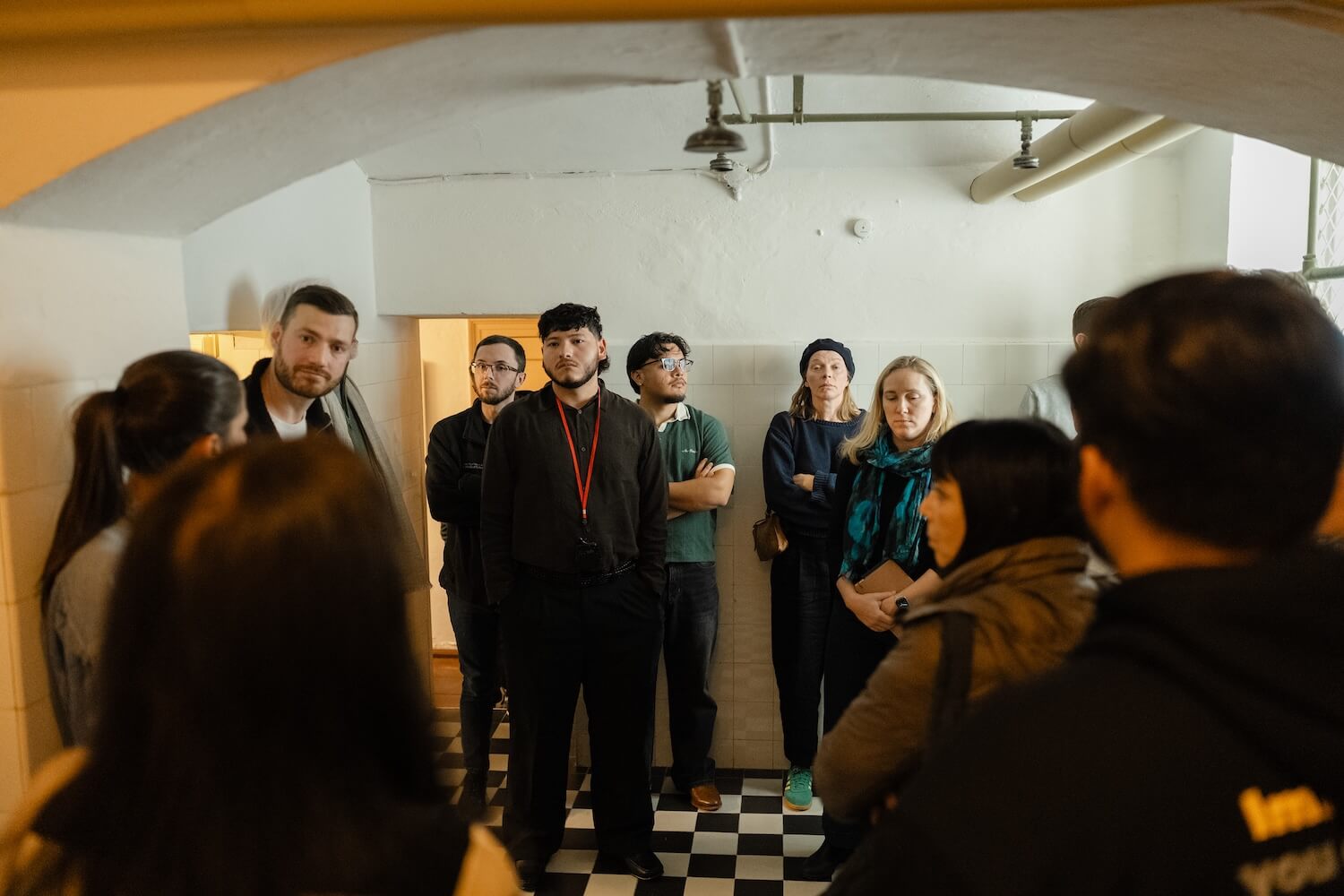
Participants visiting the gas chamber at Bernburg Mental Hospital and Euthanasia Center
Transformative Learning Experiences
Learning Where Medicine Failed
Thanks to a donor’s generous support, CMATH embarked on a transformative journey to the medical sights central to the Holocaust with the third-year class of the Dell Medical School, specifically focusing on the medical atrocities that unfolded during this dark period.
- Walk where history unfolded
- Engage in guided discussions with scholars and experts
- Meet with local survivors and hear firsthand accounts of resilience and resistance in the face of unimaginable hardships
Explore Transformative Experiences
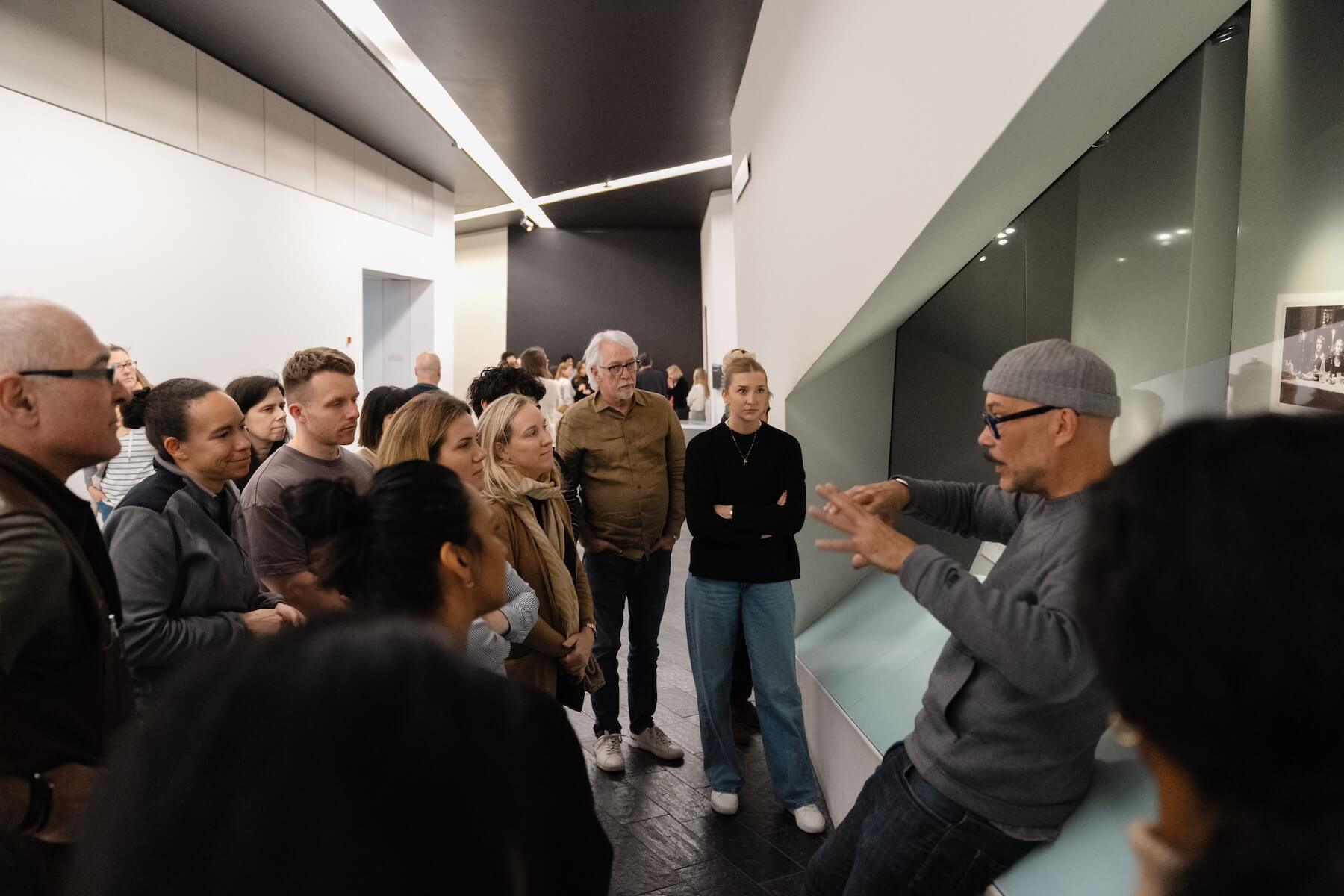
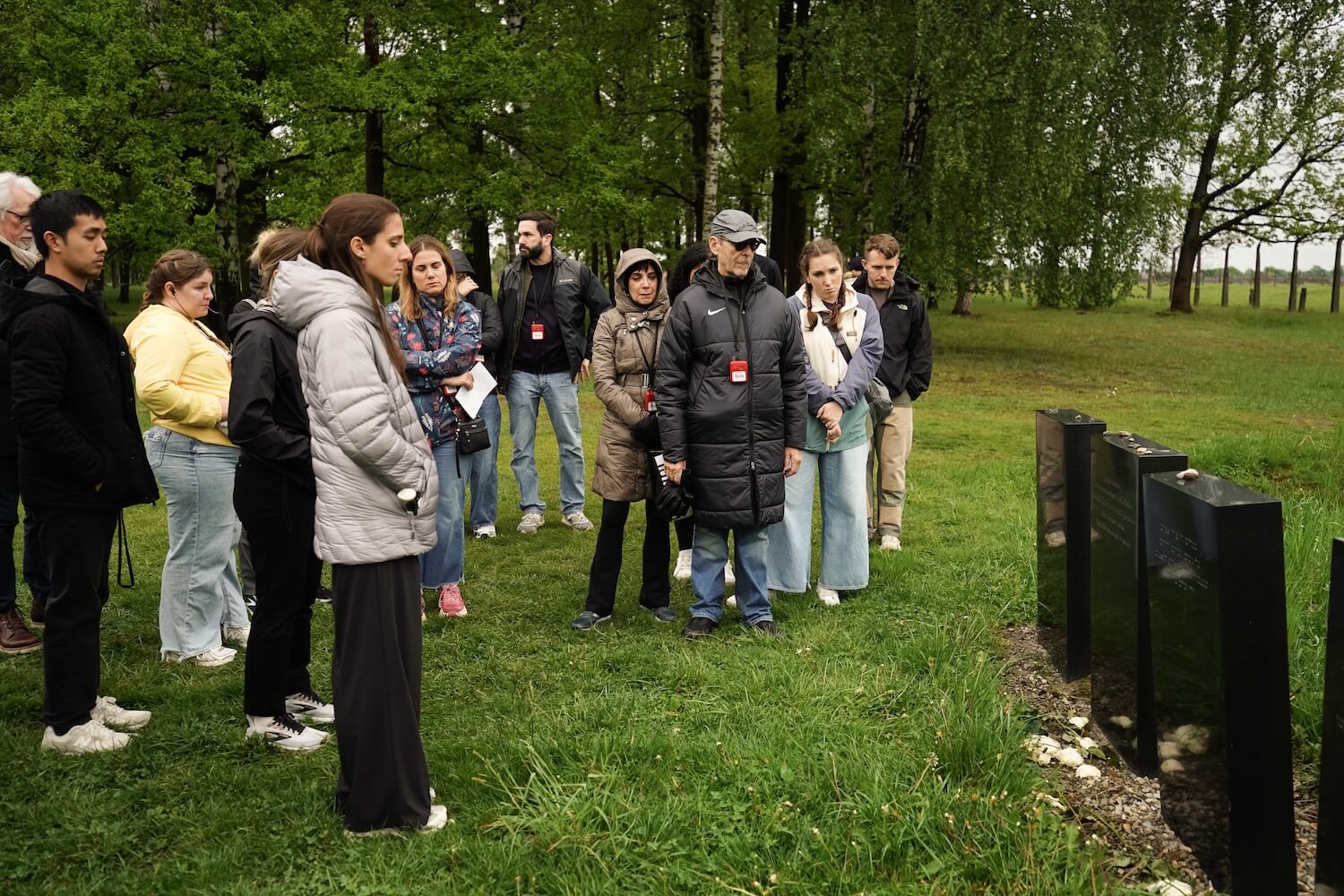

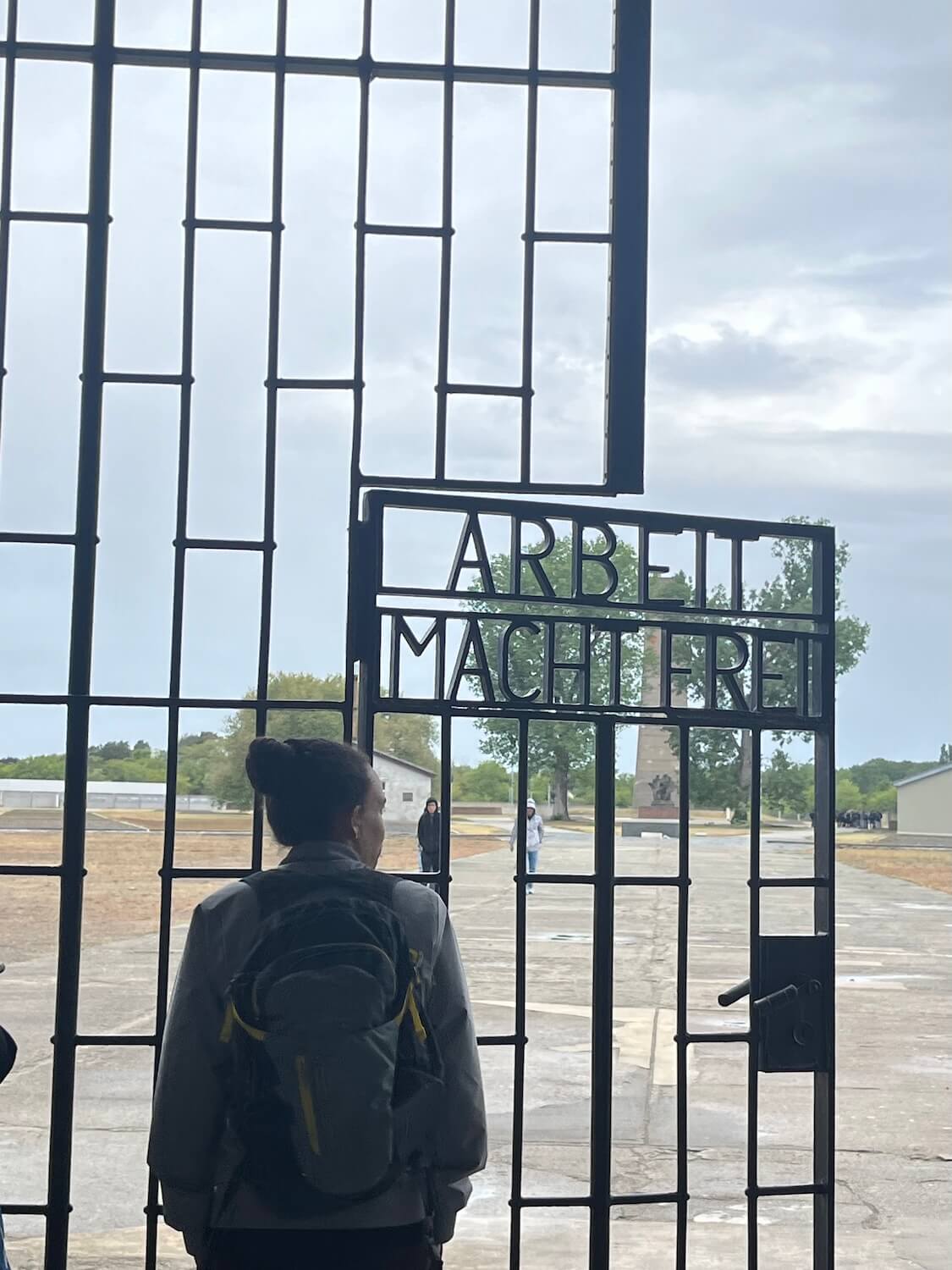
Image Information (left to right): Guided discussion at the Jewish Museum of Berlin; Memorial at Auschwitz; Student Standing at gates of Sachsenhausen Concentration Camp where sign reads "Work Sets You Free" in German; Jewish Museum of Berlin
This trip has had a transformative effect on my understanding of the antecedents and scope of the Holocaust — and the medical profession's active complicity in providing a pseudo-scientific rationale and justification for its perpetration.
- 2026 Faculty ParticipantExperience that Shapes Care
Support Education that Transforms Practice
Your contribution helps CMATH's mission of challenging healthcare providers of today and tomorrow to personally confront the medical ethics of the Holocaust and to apply that knowledge to contemporary practice and research.
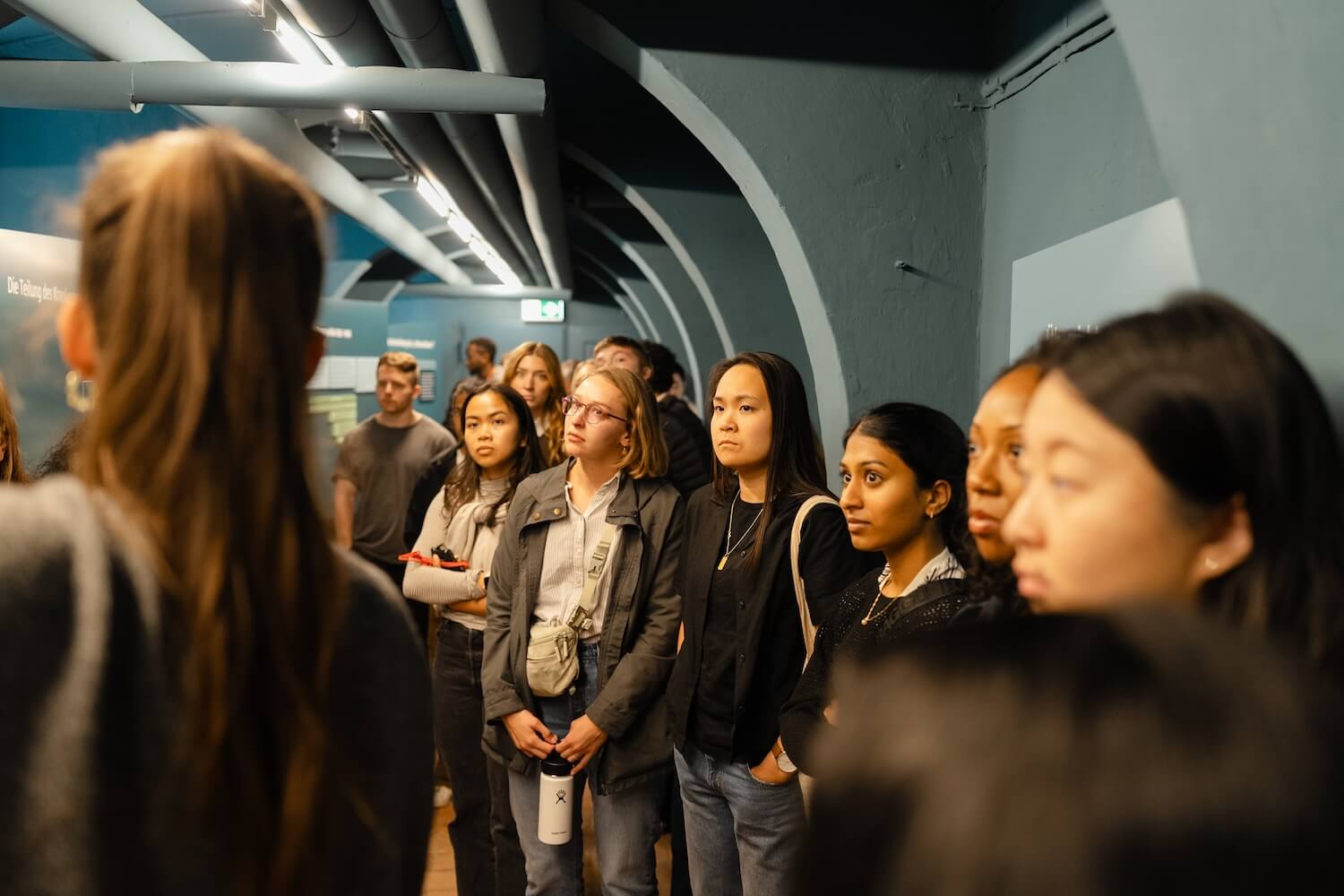

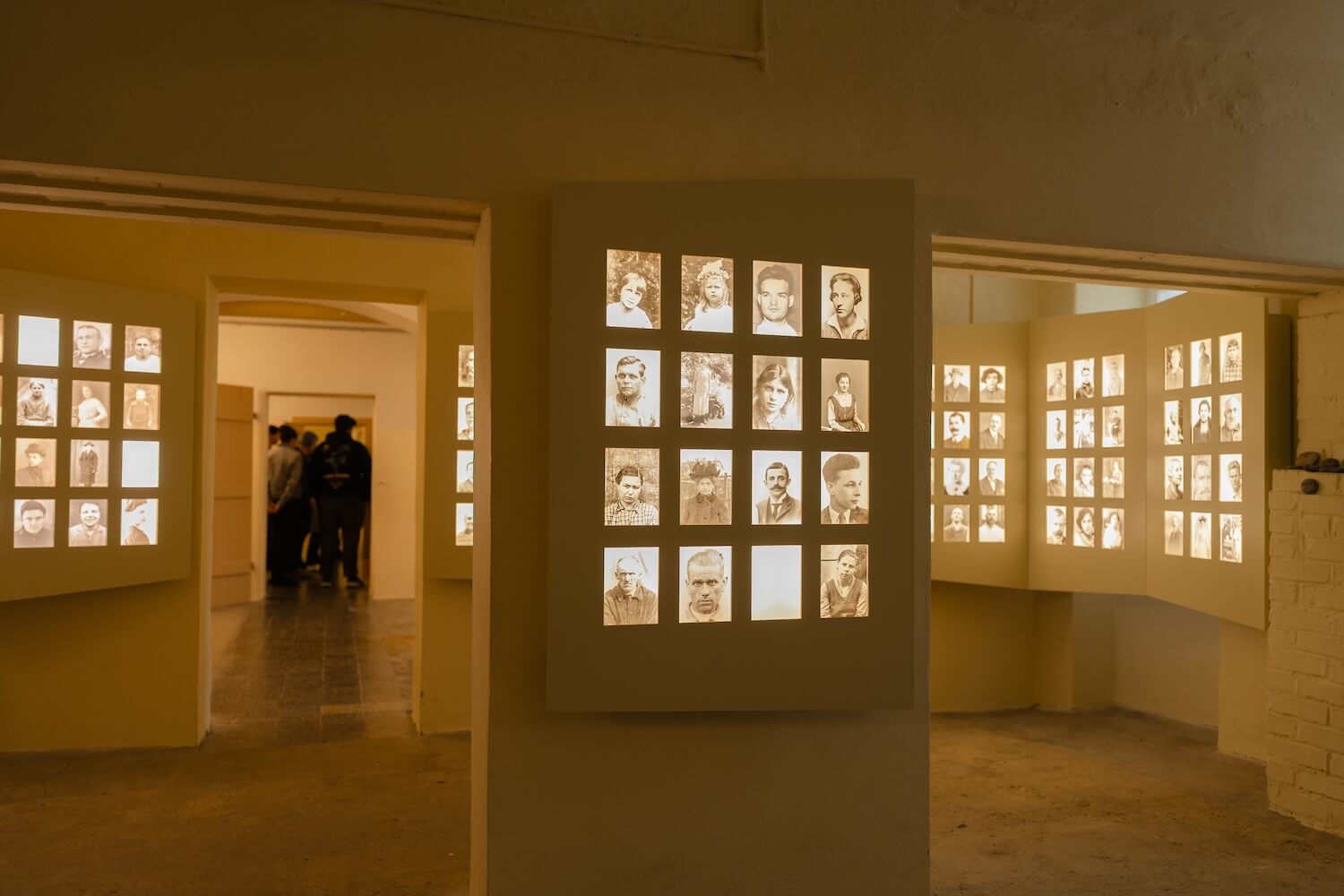
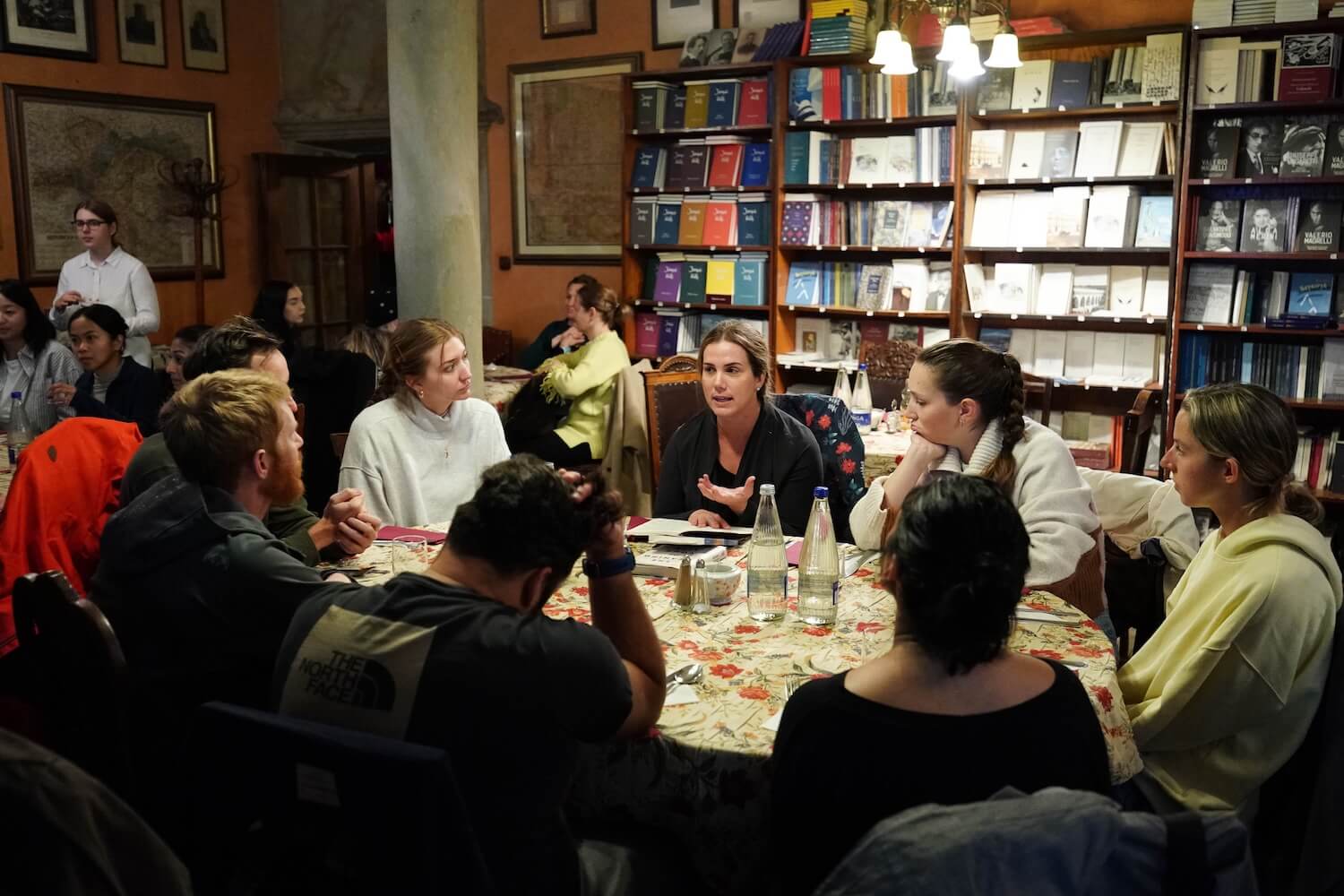
Image Information (left to right): Learning from guide at Bernburg museum; atrium of Jewish Museum of Berlin; Small group discussions with faculty at restaurant in Krakow. Memorial at Bernburg to victims of T4 Euthanasia Program;
Medicine After the Holocaust: Educational Resources
Distinguished speaker videos, films, interviews, and teaching resources that support reflection, discussion, and professional responsibility.

- Film
Ich Klage An (1941 Nazi Propaganda Film)
Ich klage An is a Nazi propaganda film commissioned by the German government and created to influence public attitudes…
- Film
American Eugenics
As unfamiliar as most people are with Nazi eugenics, they are even less familiar with American eugenics. American…

- Distinguished Speaker Video
Why is it so Hard to Learn the Ethical Lessons of the Holocaust?
The Emmanuel and Robert Hart Professor of Bioethics, Chair of the Department of Medical Ethics and Director of the…